
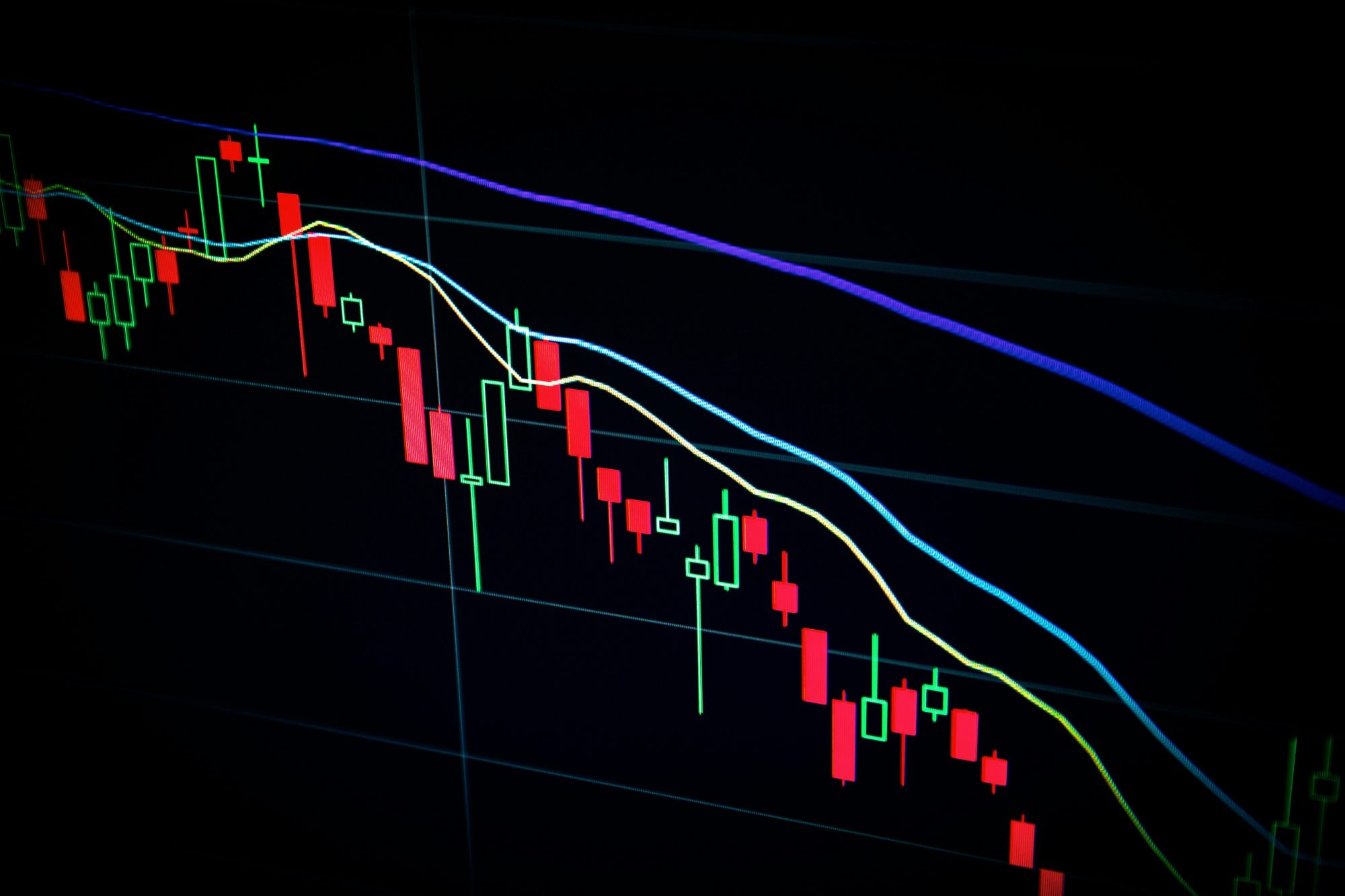
The Indonesian capital market has recently entered a challenging phase as ongoing macroeconomic pressures weigh heavily on domestic equities. Financial markets experienced noticeable turbulence during mid-October 2026, with market sentiment turning cautious as key domestic indices faced persistent downward momentum.
The market downturn became increasingly pronounced since October 13 2026, as the Jakarta Composite Index (IHSG) officially broke below the critical psychological threshold of 6,000. Market reports confirmed that the IHSG weakened further away from the 6,000 mark, ultimately closing lower at the 5,925 level amid heavy selling pressure across multiple key sectors.
A primary catalyst driving this sharp correction has been significant foreign capital outflow. As detailed in recent market updates, foreign investors actively offloaded prominent large-cap equities as the IHSG left the 6,000 level behind. This wave of foreign net sells amplified volatility, creating a complex trading environment for local participants who must constantly evaluate shifting risk parameters.
Despite the broader downward trend and the index remaining firmly below the 6,000 benchmark, market analysts have observed intermittent attempts at stabilization. Specific sectors and selective bargain hunting showed early signs of resilience, prompting market watchers to closely evaluate daily stock recommendations and underlying technical supports.
For financial intermediaries operating in Indonesia, such as securities firms and futures brokerages, heightened market volatility underscores the critical demand for robust operational readiness. When indices drop rapidly and capital flows shift overnight, financial institutions cannot afford delayed information or sluggish order execution. Brokers need immediate, high-fidelity visibility into market movements to guide their institutional and retail clients safely through turbulent conditions.
Beyond institutional brokerage firms, independent traders and individual investors are also heavily impacted by rapid market corrections. Navigating sharp pullbacks across local equities, cross-border stocks, and commodity markets requires accurate real-time data feeds and dependable trading interfaces. Having instant access to reliable market metrics allows individual market participants to manage risk and spot timely opportunities even during broader market declines.
To successfully address these operational and analytical challenges, market participants turn to advanced enterprise technology providers. PT Layanan Data Solusi Indonesia (LDSI) delivers comprehensive financial solutions tailored precisely to the needs of modern brokers, financial institutions, and individual investors seeking high-performance data and trading systems.
Through robust offerings such as Telequote—LDSI’s premier real-time financial information system—brokers and individual users gain ultra-low latency access to live price feeds covering stock indices, commodities, and foreign exchange. Furthermore, through LDSI’s strategic partnership with the Global Trading Network (GTN), financial institutions can seamlessly access multi-asset platforms spanning global exchanges, empowering local market players with world-class execution capabilities.
Ultimately, while market corrections like the IHSG’s dip below 6,000 present immediate challenges, they also highlight the vital importance of advanced technological infrastructure. By integrating LDSI’s real-time data feeds and robust trading platforms, securities firms, futures brokers, and individual market participants can transform volatility into a strategic advantage, ensuring resilience and precision in an ever-evolving financial landscape.