
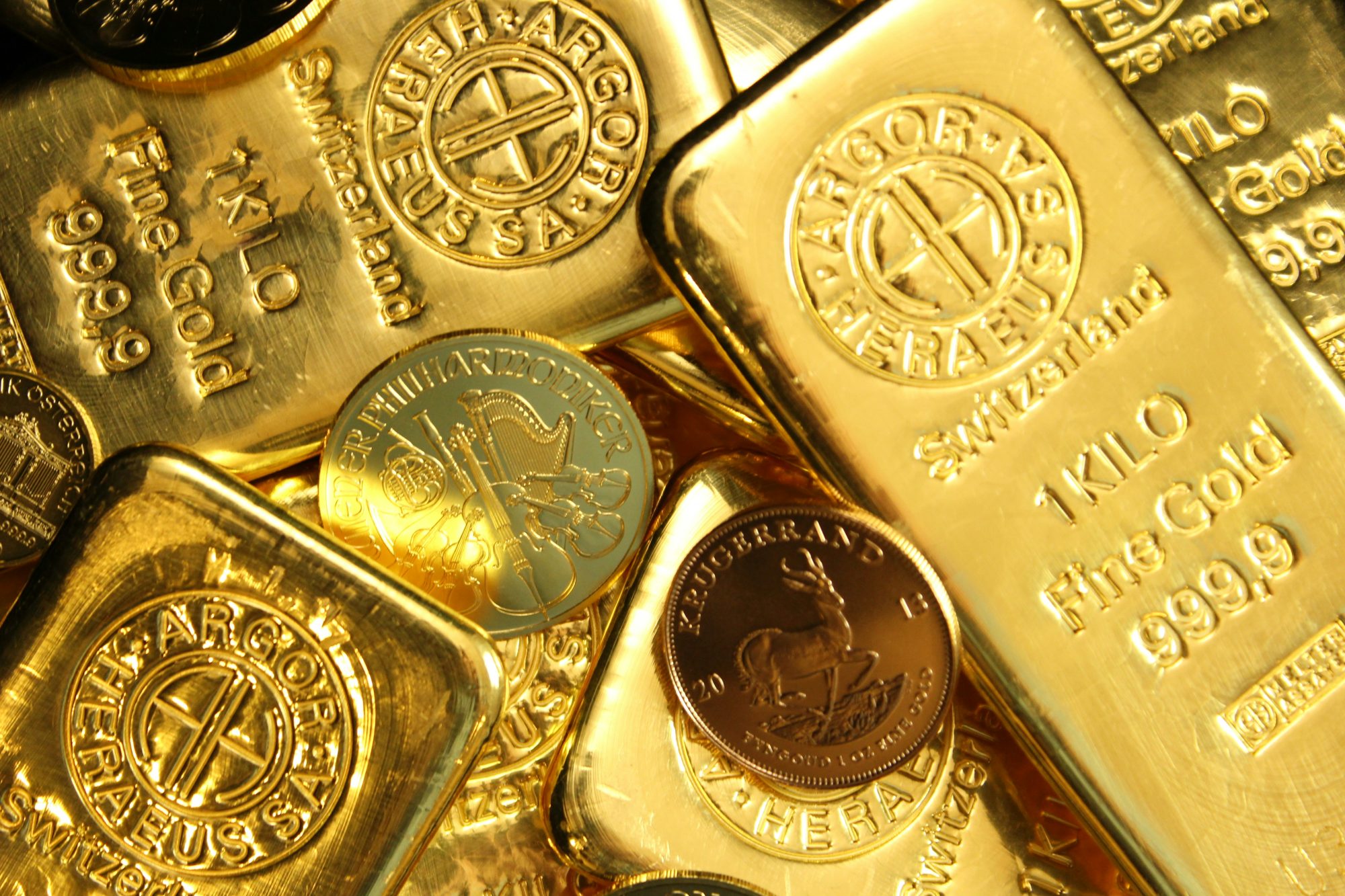
Jakarta (4/11), LDSI — Global gold prices staged a notable rebound at the start of November 2026, surging by nearly 2% during Monday’s trading session to settle near the US$3,947.6 per troy ounce mark. This sharp recovery offered immediate relief to precious metals markets following a steep 3.6% correction late last week.
The primary catalyst driving gold’s resurgence was a dramatic plunge in global crude oil prices, which dropped by more than 7% on Monday. Brent crude closed lower at US$104.77 per barrel, while West Texas Intermediate (WTI) fell to US$96.46 per barrel following diplomatic progress aimed at easing geopolitical tensions.
According to senior commodity analysts, the sharp contraction in energy costs effectively cooled immediate inflation anxieties that had previously weighed heavily on market sentiment. Concurrently, a slight softening in the US Dollar Index (DXY) provided additional breathing room for dollar-denominated bullion, allowing buyers to re-enter the market.
The rebound also stemmed from a technical correction after previous sessions were marred by aggressive liquidations. Broader market sell-offs across technology stocks and artificial intelligence equities triggered widespread margin calls, forcing institutional investors to liquidate safe-haven assets like gold to cover portfolio losses.
As a result of Monday’s buying momentum, gold’s 14-day Relative Strength Index (RSI) climbed back to approximately 37 from oversold levels below 30. This technical shift signifies that panic selling has temporarily subsided, allowing market participants to re-evaluate bullion’s fundamental hedging value amid ongoing economic uncertainties.
Despite the recovery, market caution remains high regarding monetary policy. Traders are pricing in roughly a 77% probability that the US Federal Reserve will implement an interest rate hike in December. However, structural factors such as persistent US fiscal deficits and long-term debt burdens continue to underpin gold’s long-term appeal.
These volatile price fluctuations carry significant implications for a broad spectrum of market players. Institutional asset managers, commodity trading desks, and domestic precious metal distributors must navigate rapid pricing adjustments as retail and corporate demand fluctuates in response to global spot movements.
Furthermore, financial intermediaries, securities firms, and multi-asset brokerages face heightened client inquiry volumes regarding alternative asset allocation. Ensuring accurate, real-time tracking of precious metal benchmarks is critical for traders seeking to manage risk effectively across fluctuating commodity portfolios.
Looking ahead, market focus has shifted squarely toward the United States midterm elections on November 3, 2026. The election results are expected to shape future fiscal spending, trade dynamics, and broader political stability, directly influencing safe-haven demand across global financial markets.
As market participants await concrete political and macroeconomic outcomes, gold prices are expected to remain dynamic in the near term. Analysts emphasize that while short-term volatility will persist based on US data releases and central bank signaling, bullion remains a crucial barometer of global economic health.