
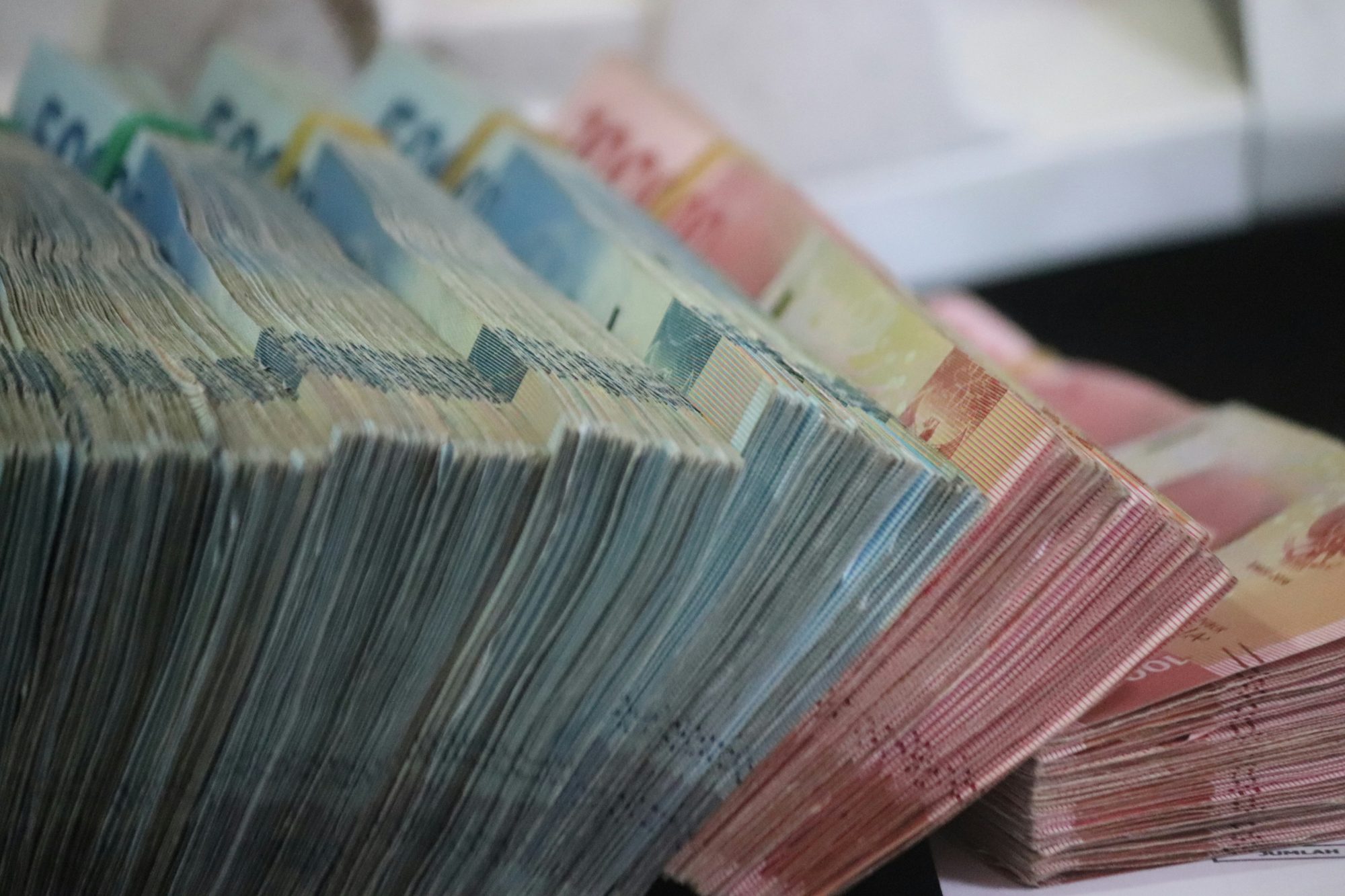
Jakarta (5/11), LDSI — The Indonesian rupiah staged a notable recovery during early trading on Thursday, November 5, 2026, shifting into the green zone after closing lower in the previous session. Tracking data from Refinitiv indicated that the local currency opened stronger by 0.19% at the level of Rp18,120 per US dollar, recovering from its prior close at Rp18,155 per US dollar.
This modest strengthening of the domestic currency was primarily supported by a broader retreat in the US Dollar Index (DXY), which slipped 0.27% to 101.296 during morning trading hours. Concurrently, shifting political dynamics in the United States—following the Democratic Party securing control of both the House and Senate in the midterm elections—introduced fresh expectations regarding future fiscal and foreign policies.
The political shift in Washington has heightened market speculation regarding potential constraints on executive trade and geopolitical stances, particularly concerning ongoing conflicts in the Middle East. Consequently, global energy markets experienced sharp corrections, with Brent crude plunging 8.7% to $94.62 per barrel and WTI dropping 8.3% to $88.12 per barrel, marking their lowest settlement levels in months.
For an emerging market economy like Indonesia, lower global energy prices offer a crucial structural advantage by easing import cost pressures and reducing foreign exchange outflows for fuel. This external relief acts as a stabilizing buffer for the current account balance, providing vital support for the rupiah amid broader global currency fluctuations.
Domestically, the primary focal point for market participants on Thursday is the release of Indonesia’s third-quarter 2026 Gross Domestic Product (GDP) figures by the Central Statistics Agency (BPS). Market consensus gathered from multiple financial institutions projects that the domestic economy grew by 5.20% year-on-year (YoY) and 1.33% quarter-to-quarter (QtQ).
If these projections materialize, the data will reflect a sequential moderation in economic growth following expansions of 5.61% in the first quarter and 5.29% in the second quarter of 2026. Nevertheless, economists note that this anticipated Q3 growth rate remains resilient compared to the 5.04% YoY recorded in the corresponding period of the previous year.
These macroeconomic indicators carry significant weight for institutional financial service providers, banking institutions, and corporate treasuries across the country. Foreign exchange desks and multi-asset trading platforms face heightened activity as market makers recalibrate positions ahead of the official GDP announcement.
Furthermore, securities firms, futures brokers, and investment advisors must closely monitor how domestic growth metrics interact with foreign capital flows and central bank policy stances. Accurate interpretation of growth data is essential for institutional clients navigating fixed-income securities, equities, and currency derivatives.
Looking ahead, the actual GDP realization relative to market expectations will dictate the rupiah’s trajectory for the remainder of the week. A reading that outperforms consensus estimates is expected to reinforce investor confidence and provide further appreciation room for the local unit.
Conversely, any unexpected downside deviation could intensify domestic growth concerns and invite renewed selling pressure. Financial institutions and independent market participants alike will remain vigilant, utilizing real-time data terminals to track liquidity shifts and manage portfolio risk effectively.